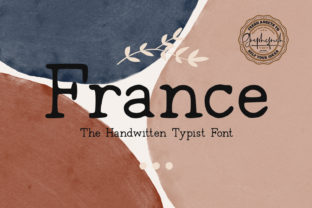
France: A Serif Font with Typewriter Soul
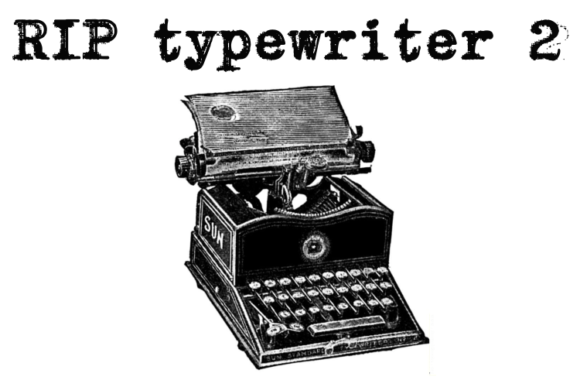
There's something undeniably magnetic about the clack of typewriter keys and the slightly imperfect ink impressions they leave on paper. That nostalgic, authentic quality is exactly what the France serif font captures in digital form. Inspired by classic typewriter letters, this typeface brings a vintage warmth to modern projects without feeling outdated or gimmicky. If you've been searching for a font that balances character with versatility, France might be the design asset your toolkit has been missing.
Why Typewriter-Inspired Typography Still Resonates
We live in an era dominated by sleek sans serif fonts and ultra-clean interfaces. Yet there's a counter-movement happening in design circles, driven by audiences craving authenticity over polish. Typewriter-style fonts tap into that desire beautifully. They signal craftsmanship, honesty, and a human touch — qualities that brands across every industry are eager to communicate.
France isn't a literal typewriter recreation, though. It takes the spirit of those vintage letterforms and refines them into a proper serif typeface. The result is a font that feels approachable and lived-in while remaining highly legible at various sizes. The serifs add structure and readability that pure typewriter fonts often lack, making France genuinely functional for both display and body text applications.
This combination of nostalgia and practicality is surprisingly rare. Many vintage-inspired fonts lean so heavily into their aesthetic that they become novelty items — great for a single headline but useless for anything else. France sidesteps that trap entirely, offering enough range to anchor an entire brand identity or editorial layout.
Where France Truly Shines in Real Projects
Let's talk about actual applications, because a font is only as valuable as the projects it elevates. Here's where France tends to perform exceptionally well:
- Branding and Logo Design: If you're building a brand that values authenticity — think artisan coffee roasters, independent bookshops, boutique consultancies, or handmade goods sellers — France gives your logo immediate personality. It communicates trustworthiness without the stiffness that many traditional serif fonts carry.
- Packaging Design: Product packaging needs to stand out on crowded shelves while remaining readable at a glance. France's distinctive letterforms catch the eye, and its typewriter heritage suggests careful craftsmanship. This makes it particularly effective for food packaging, craft beverages, cosmetics, and specialty goods.
- Social Media Graphics: On platforms saturated with generic sans serif quotes and cookie-cutter templates, a font like France helps your content stop the scroll. Use it for Instagram quote posts, Pinterest pins, or Facebook headers where you want to project warmth and individuality.
- Websites and Blogs: As a display font for headings and pull quotes, France adds character to web design without sacrificing readability. It pairs beautifully with clean sans serif body text, creating visual hierarchy that guides readers naturally through your content.
- Print Materials and Editorial Layouts: Brochures, magazine features, annual reports, and zines all benefit from typography that feels intentional. France brings editorial sophistication with a down-to-earth edge, perfect for publications that want to feel both credible and conversational.
- Invitations and Event Materials: Wedding invitations, workshop flyers, gallery announcements, and event programs benefit enormously from fonts that feel personal. France delivers that handwritten warmth while maintaining the legibility that script fonts sometimes compromise.
- Merchandise and Digital Products: Whether you're designing t-shirts, tote bags, planners, printable wall art, or e-book covers, a premium font with personality helps your products feel curated rather than mass-produced.
Building Visual Consistency Across Touchpoints
One of the most overlooked aspects of brand identity is typographic consistency. Your audience encounters your brand across dozens of touchpoints — your website, social channels, email newsletters, packaging, printed materials, and more. When the typography shifts wildly between these contexts, the overall brand experience feels fragmented.
Choosing a versatile typeface like France allows you to maintain a cohesive visual voice everywhere. The font works at headline sizes where its personality can breathe, and it holds up at smaller sizes where clarity matters most. This adaptability means you're not constantly switching between typefaces for different applications, which simplifies your design workflow and strengthens brand recognition over time.
Think about the brands you trust most. Chances are, their typography feels consistent whether you're reading their website on your phone or holding their product packaging in a store. That kind of coherence doesn't happen by accident — it starts with selecting the right typeface and committing to it.
Practical Tips for Working with France
Before you dive into using any new font, a few practical considerations will save you headaches down the road:
Review the included styles. Check what weights and variations come with your purchase. Does it include regular, bold, italic, and condensed options? Understanding the full range of styles available helps you plan your typography system more effectively. A font family with multiple weights gives you flexibility for creating hierarchy without introducing competing typefaces.
Test font pairings early. France's vintage serif character pairs naturally with modern sans serif fonts. Try combinations with typefaces like Montserrat, Lato, or Open Sans for body text. The contrast between France's textured personality and a clean sans serif creates dynamic visual tension that keeps layouts interesting. Avoid pairing it with other heavily stylized fonts, which can create visual noise rather than harmony.
Prioritize readability in context. A font that looks gorgeous in a 72-point headline might struggle at 11 points in a paragraph. Test France at the actual sizes you'll use in your project. Check how it renders on different screens if you're designing for web, and print test sheets if your project is physical. Pay special attention to letter spacing and line height, as typewriter-inspired fonts sometimes need slightly more generous spacing than their conventional serif counterparts.
Consider your audience's expectations. France communicates a specific personality — vintage, authentic, approachable, and slightly nostalgic. That's perfect for certain brands and projects but might feel misaligned for others. A cutting-edge tech startup probably needs something different than a craft bakery. Match your typography choices to the emotional tone your audience expects and responds to.
Understand commercial licensing. If you're using France for client work, merchandise, or any commercial application, make sure your license covers that usage. Some fonts have different licensing tiers for personal versus commercial use, and some restrict the number of users or projects. Reading the license terms before you build your entire brand identity around a font prevents expensive surprises later.
Making Typography Work Harder for Your Brand
Good typography does more than make words legible. It shapes perception, triggers emotional responses, and communicates values before anyone reads a single sentence. When you choose a font like France for your project, you're making a deliberate statement about the kind of experience you want to create.
The typewriter aesthetic suggests that someone cared enough to sit down and craft each word thoughtfully. In a world of algorithm-generated content and mass-produced everything, that signal of intentionality resonates deeply with audiences. It's why vintage-inspired design continues to thrive even as technology accelerates around us.
Whether you're a designer building a brand identity system, a small business owner creating your own marketing materials, or a content creator looking for typography that feels genuinely distinctive, France offers a compelling combination of personality and practicality. It's a serif font that doesn't take itself too seriously while still delivering the professionalism your projects demand. Sometimes the best design choices are the ones that feel like they've always belonged — and France has that quality in abundance.