Mikier: A Sans Serif That Whispers Luxury
There's a particular kind of visual confidence that comes from using the right typeface. Not the loudest font on the page, not the one screaming for attention, but the one that sits perfectly in its space, communicating exactly what it needs to without unnecessary flourishes. Mikier is that kind of font. It's the quiet sophistication in a room full of noise, the clean line that draws your eye without demanding it. If you've ever struggled to find a typeface that feels both contemporary and timeless, professional yet approachable, Mikier might be the answer you didn't know you were looking for.
What Makes This Typeface Different
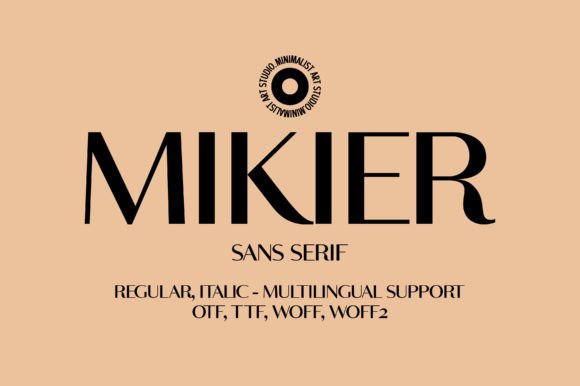
At first glance, Mikier appears simple. It's a sans serif, after all—clean, geometric, familiar. But spend a moment with it, and you start noticing the details. The letterforms have a delicate quality, a subtle elegance that sets them apart from the blocky, utilitarian sans serifs dominating so much of modern design. The curves feel considered. The spacing breathes. There's a balance between weight and lightness that makes it work beautifully at both large display sizes and smaller body text.
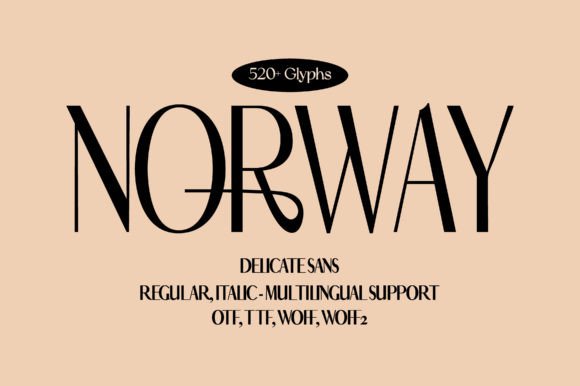
What really expands its utility is the sheer breadth of its character set. With over 520 glyphs and extensive multi-lingual support, Mikier isn't just an English-language workhorse. It handles accented characters, special punctuation, and diverse alphabets with the same care given to its core Latin letters. For anyone working on international branding, multilingual websites, or packaging destined for global markets, this kind of built-in support saves real time and real headaches.
Where Mikier Actually Works in Practice
Let's move beyond the specimen sheet and talk about real projects. Where does a font like this actually earn its keep?
Brand identity systems are an obvious starting point. A brand that wants to project modern elegance—think boutique hotels, artisan food companies, independent skincare lines, or contemporary architecture firms—needs a typeface that carries that message consistently across every touchpoint. Mikier handles logo lockups, taglines, website headers, business cards, and packaging labels without feeling out of place in any context. That kind of versatility is rare and genuinely valuable when you're building a cohesive visual identity from scratch.
Logo design is where many designers first encounter the font. Its clean proportions and balanced letter shapes make it a strong candidate for wordmarks and lettermark logos. Because it doesn't lean too heavily into any single trend—it's neither aggressively geometric nor overly humanist—it ages well. A logo built with Mikier today won't look dated in three years.
Packaging design benefits enormously from typefaces that read clearly at small sizes while still feeling premium. Think about shelf appeal. A candle label, a craft beer bottle, a box of artisanal chocolates—these products need typography that communicates quality instantly. Mikier's delicate weight and refined spacing do exactly that without competing with product photography or illustration.
Social media graphics present a different challenge. Fonts need to be legible on small screens, work well overlaid on images, and maintain their character when compressed or resized. Mikier's clarity holds up under these conditions. Instagram quotes, Pinterest pins, LinkedIn banners, YouTube thumbnails—it performs consistently across platforms that each have their own display quirks.
Website and blog design is another natural fit. Web typography has to balance personality with readability across devices and screen sizes. Mikier works well as both a heading font and a body text option, which means you can create visual hierarchy with a single typeface family rather than juggling multiple fonts that might clash. For bloggers, small business owners, and anyone building their own site without a dedicated designer, that simplicity is a genuine advantage.
Print materials like brochures, flyers, posters, and invitations also benefit from its refined character. Wedding stationery, event posters for gallery openings, menu designs for upscale restaurants—these are contexts where typography sets the entire mood before anyone reads a single word.
Matching Typography to Your Actual Goals
Here's something worth considering before you download any new font: what is your project actually trying to communicate? Typography isn't decoration. It's a functional part of your message. The font you choose signals tone, audience, and intention before a single sentence is read.
If your brand targets a sophisticated, design-conscious audience, a premium sans serif like Mikier makes sense. It says, "We care about details." If you're selling handmade crafts at a farmer's market, it might feel too polished. Context matters. The best font choice is always the one that aligns with your audience's expectations while still feeling authentically yours.
Think about readability first, personality second. A beautiful font that people can't read at arm's length on a printed flyer or at thumbnail size on a phone screen isn't doing its job. Mikier's strength lies in the fact that it doesn't force you to choose between looking good and being readable. It does both.
Pairing Mikier with Other Typefaces
No font exists in isolation. Even when a typeface works beautifully on its own, pairing it with a complementary font can create visual interest and hierarchy. Mikier plays well with others precisely because of its neutrality and balance.
Try pairing it with a serif font for contrast. A classic editorial serif used for body text alongside Mikier headings creates a sophisticated, magazine-like feel. Alternatively, combine it with a script or handwritten font for projects that need a personal touch—think wedding invitations or boutique brand collateral where you want elegance with warmth.
The key to successful font pairing is contrast in structure, not contrast in mood. Two fonts that share a similar feeling but differ in form—like a geometric sans serif alongside an old-style serif—create harmony rather than conflict. Test your pairings in context. Set them at the actual sizes they'll appear in your design. Look at them on different screens and in print if possible. What looks great in a font preview doesn't always translate to a finished layout.
Practical Considerations Before You Commit
Before integrating any new typeface into your workflow, review the included font styles. Does the family offer the weights you need? Mikier's range of styles gives you flexibility for creating hierarchy—lighter weights for subtle text, regular for body copy, bolder weights for emphasis and headlines—all while maintaining visual consistency.
Commercial licensing is another practical detail that matters. If you're using a font for client work, merchandise, digital products, or any commercial application, make sure your license covers that use. This isn't just legal housekeeping; it protects your clients and your own business from potential issues down the line.
Finally, give yourself time to actually work with the font before committing it to a major project. Set some real text. Experiment with tracking and leading. See how it handles your specific content—long paragraphs, short headlines, mixed case, all caps. A typeface reveals its true character not in a specimen sheet but in the messy reality of actual design work.
Mikier offers that rare combination of visual refinement and practical versatility. It's a typeface that respects your content rather than overshadowing it, and in a landscape full of fonts competing for attention, sometimes the most powerful choice is the one that simply does its job with quiet, confident elegance.