Rip Typewriter: The Authentic Vintage Font for Modern Design
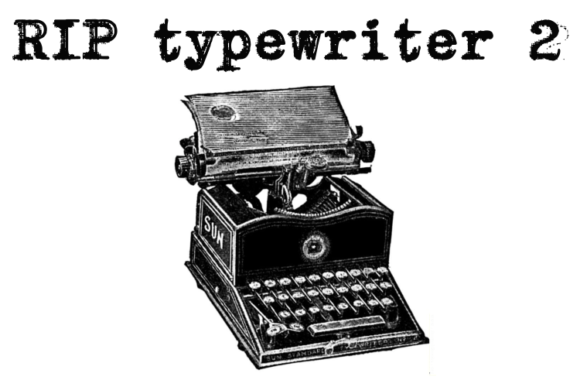
You know that feeling when you find a font that doesn’t just sit on the page, but actually tells a story? That’s what happened when I first started using Rip Typewriter. It’s not just another typeface; it’s a piece of history with a modern edge. This premium font captures the gritty, authentic look of old typewriter keys hitting paper—complete with slightly uneven ink distribution, subtle imperfections, and that unmistakable mechanical charm. If you’re working on a project that needs to feel grounded, honest, or a little bit nostalgic, this might be the creative font you’ve been searching for.
More Than Just a Display Font: Where It Really Shines
Let’s be practical. You’re probably wondering where a font like this actually fits into your work. I’ve seen Rip Typewriter used brilliantly in places you might not expect. It’s a standout for logo design, especially for brands that want to convey authenticity—think artisan coffee roasters, vintage clothing labels, craft breweries, or indie bookstores. The slightly eroded texture gives logos an immediate sense of character and heritage that clean, modern typefaces can’t replicate.
But its usefulness goes far beyond a single logo. Consider your brand identity as a whole. Using Rip Typewriter for headings on your website, in your social media graphics, or on your packaging creates a powerful visual thread. It helps build brand recognition because that unique, textured style becomes synonymous with your business’s personality. For a small business owner, that kind of visual consistency is gold. It makes your materials—from a business card to a Facebook ad—instantly recognizable.
Practical Applications Across Your Projects
So, where exactly can you deploy this serif font with its distinct personality? The applications are surprisingly versatile:
- Editorial & Blog Design: Use it for article titles or pull quotes to add a layer of tactile interest and break the monotony of standard body text. It’s perfect for blogs focused on writing, history, or DIY crafts.
- Packaging & Merchandise: Imagine this font on a coffee bag label, a candle box, or a t-shirt. It instantly communicates a handmade, artisanal quality. It’s a fantastic design asset for creating premium-feel products.
- Marketing & Digital Products: Need a creative font for an email header, a webinar slide, or the cover of a PDF guide? Rip Typewriter grabs attention and sets a specific, engaged tone. It’s great for calls-to-action that need to feel direct and personal.
- Invitations & Print Materials: For event posters, wedding invites with a vintage theme, or even a restaurant menu, this typeface adds instant atmosphere. It pairs beautifully with simpler sans serif fonts for body copy, ensuring your message remains clear.
The key is matching the font’s personality to your project’s goal. It’s not for every situation—you wouldn’t use it for a dense financial report. But when you need to evoke a specific feeling of authenticity, nostalgia, or craftsmanship, it’s incredibly effective.
Smart Pairings and Readability Checks
One of the most common questions about textured display fonts is how to use them without sacrificing readability. This is where thoughtful font pairing comes in. Rip Typewriter is designed for impact, not for long paragraphs. Use it for headlines, subheadings, or short bursts of text. For your main body copy, pair it with a clean, highly legible modern serif or a simple sans serif font. This contrast creates visual hierarchy and ensures your audience can easily consume your information.
Always test your pairings in context. Mock up a social media post, a website header, or a product label before committing. Does the headline font overpower the message? Is the body text still easy to read at a glance? The goal is to enhance your design, not hinder its professional presentation. A good practice is to limit your use of Rip Typewriter to key elements that need that special touch.
Understanding What You’re Getting
When you invest in a premium font like Rip Typewriter, you’re not just buying a single file. Check what’s included in the package. A quality release will often come with multiple styles—perhaps regular, bold, and italic variations—and may include extended character sets for different languages, as well as alternate glyphs or ligatures. These extras give you more creative flexibility.
Equally important is the commercial licensing. Read the terms carefully. Understand if the license covers your intended use, whether it’s for a client project, merchandise for sale, or digital products. Reputable font designers are clear about their licenses, and respecting those terms is part of being a professional. This isn’t just about legality; it’s about supporting the creators who make these design assets possible.
In the end, choosing a typeface is a creative decision with real-world impact. Rip Typewriter offers a distinct voice—one that can help tell a more compelling, textured story for your brand or project. It’s about finding the right tool that speaks the language you need, and sometimes, that language has the satisfying, imperfect clatter of vintage keys.