Caligraphy: The Dancing Script That Adds Sparkle to Your Brand
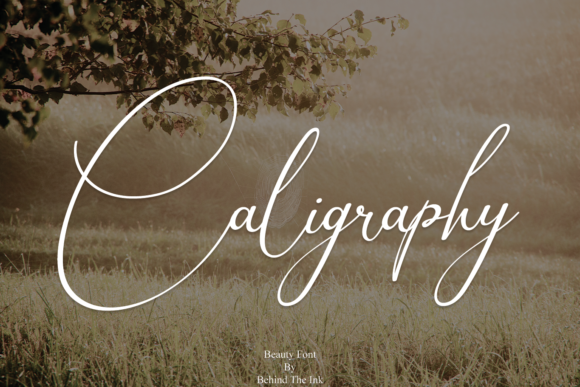
There's something magnetic about a font that feels alive on the page. You know the type—the letters that seem to flow and sway, catching the eye before the reader even registers the words themselves. That's exactly what Caligraphy brings to the table. This romantic, sweet calligraphy script font features characters that genuinely dance along the baseline, giving every project a sense of movement and warmth that static typefaces simply can't replicate.
Whether you're designing a wedding invitation, building a boutique brand identity, or crafting social media posts that stop the scroll, the right script font can transform a good design into something memorable. And Caligraphy, with its luxurious spark and graceful curves, is one of those rare typefaces that manages to feel both elegant and approachable at the same time.
What Makes Caligraphy Stand Out in a Crowded Font Market
Walk through any font marketplace and you'll find thousands of script fonts competing for attention. So what sets Caligraphy apart? It comes down to personality and precision. The letterforms in this typeface have a natural, handwritten quality without sacrificing legibility. Each character connects to the next with a fluidity that mimics real penmanship, yet the overall rhythm stays consistent enough for professional use.
The "dancing along the baseline" quality isn't just marketing language—it's a real visual characteristic. Slight variations in letter height and angle create a sense of organic movement. This gives designs an artisanal, human touch that resonates with audiences tired of overly polished, corporate-looking typography. Think of it as the difference between a mass-produced greeting card and one that feels personally crafted.
For designers and creative entrepreneurs, this kind of visual warmth is invaluable. It communicates authenticity, care, and attention to detail without a single word of copy. When someone sees Caligraphy on a product label or website header, they immediately sense that thought went into the presentation.
Where This Script Font Truly Shines
One of Caligraphy's greatest strengths is its versatility across different creative applications. Here's where it tends to make the biggest impact:
- Branding and Logo Design: Boutique businesses, lifestyle brands, and personal brands often struggle to find typography that feels distinctive yet professional. Caligraphy works beautifully as a primary logo typeface or as a complementary script element paired with a clean sans serif font. Think bakeries, florists, wellness studios, photography businesses, and fashion boutiques.
- Packaging Design: Premium products deserve premium presentation. This font adds an upscale, handcrafted feel to labels, boxes, and product tags. It's particularly effective for artisan goods, cosmetics, gourmet foods, and specialty beverages where shelf appeal directly influences purchasing decisions.
- Wedding and Event Invitations: This is perhaps the most natural fit. The romantic, flowing quality of Caligraphy makes it ideal for save-the-dates, wedding programs, menus, place cards, and thank-you notes. It sets an emotional tone before guests even read the details.
- Social Media Graphics: Instagram quotes, Pinterest pins, Facebook headers, and promotional graphics all benefit from a distinctive typeface. Caligraphy helps content creators and small business owners maintain a cohesive visual feed that builds recognition over time.
- Websites and Blogs: Used strategically for headlines, pull quotes, and accent text, this script font adds personality to digital spaces. Bloggers in lifestyle, food, travel, and fashion niches find it particularly useful for creating a signature aesthetic.
- Print Materials and Posters: From business cards to event posters, Caligraphy elevates printed collateral. It works especially well for limited text elements like taglines, names, and featured phrases where the font's decorative qualities can really breathe.
- Merchandise and Digital Products: Tote bags, mugs, planners, digital downloads—any product where typography serves as a design element benefits from a creative font like this one.
Pairing Caligraphy with Other Typefaces
A script font rarely works in isolation. Most successful designs combine two or three typefaces to create hierarchy and balance. The key is choosing companions that complement rather than compete.
Since Caligraphy is inherently decorative and expressive, it pairs best with simpler, more restrained fonts. A clean sans serif font like Montserrat, Lato, or Open Sans creates a beautiful contrast—the script draws the eye for headlines and accent text, while the sans serif handles body copy and supporting information with clarity.
For a more traditional or editorial feel, consider pairing it with a classic serif font. The combination of a flowing script with structured serif letterforms creates visual tension that feels sophisticated and intentional. Think wedding magazines, lifestyle blogs, or premium brand materials.
The practical rule of thumb: let Caligraphy do the heavy lifting on short, impactful text. Use it for names, taglines, headers, and featured phrases. Reserve longer paragraphs and detailed information for your secondary typeface. This keeps readability high while maximizing the font's visual impact.
Readability Considerations Worth Noting
Every designer faces the tension between beauty and function. Script fonts, by their nature, lean toward the decorative end of that spectrum. Caligraphy manages this balance well—its letterforms are distinct enough to read at reasonable sizes—but smart application still matters.
Avoid using this typeface for small body text, lengthy paragraphs, or critical information where quick readability is essential. Phone numbers, addresses, legal disclaimers, and detailed product descriptions are better served by straightforward serif or sans serif fonts.
Size matters too. Script fonts generally need more generous sizing than their sans serif counterparts to remain legible. When in doubt, increase the font size and test on multiple devices and print formats before finalizing a design. What looks gorgeous on a 27-inch monitor might become a blurry script on a mobile screen if set too small.
Color and contrast also play crucial roles. Dark text on light backgrounds works best for script typefaces. Avoid placing Caligraphy over busy images or low-contrast color combinations where the flowing letterforms might get lost.
Building Brand Recognition with Intentional Typography
Typography is one of the most powerful yet underutilized tools in brand building. The fonts you choose become visual shorthand for your brand's personality. Consistent use of a distinctive typeface like Caligraphy across touchpoints—website, social media, packaging, print materials—creates a cohesive identity that audiences learn to recognize instantly.
Think about brands you admire. Chances are, you could identify them by their typography alone, even without seeing a logo. That's the power of consistent font usage. When Caligraphy appears across your Instagram graphics, your product packaging, your email headers, and your website, it weaves a visual thread that ties everything together.
For small business owners and entrepreneurs especially, this kind of visual consistency signals professionalism and builds trust. It tells customers that you've invested thought into how your brand presents itself to the world.
Practical Tips for Getting Started
If you're considering Caligraphy for your next project, start by reviewing all the included font styles and weights. Many premium font packages include alternate characters, ligatures, and stylistic variations that expand your creative options significantly. Take time to explore what's available before settling on a design direction.
Test the font in context early in your design process. Drop it into mockups, place it alongside your brand colors, and see how it performs at different sizes. Print a sample if your project involves physical materials. What appears elegant on screen might need adjustments for print reproduction.
Pay attention to licensing terms before using any font in commercial projects. Most premium fonts come with clear licensing that covers both personal and commercial use, but the specifics vary. Understanding these terms upfront protects your business and respects the type designer's work.
Finally, don't underestimate the value of a font that simply feels right. Beyond technical considerations, the best typography choices are the ones that genuinely resonate with the emotional tone of your project. Caligraphy's dancing, romantic character makes it a natural fit for brands and designs that want to communicate warmth, elegance, and a personal touch. When the font matches the feeling you're trying to create, everything else tends to fall into place.