Pirate Doodle: A Playful Typeface for Creative Projects
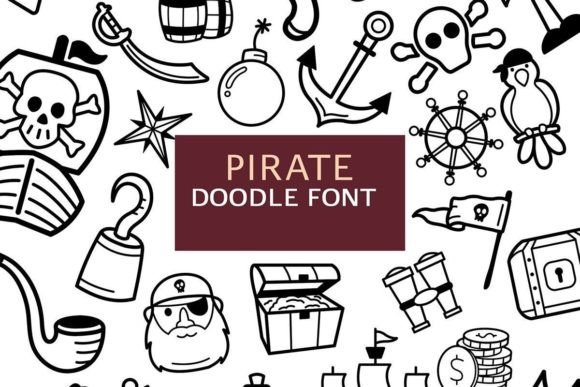
There's something undeniably charming about a font that doesn't take itself too seriously. Pirate Doodle fits that description perfectly—a dingbat typeface that brings personality, whimsy, and a hand-drawn quality to any project it touches. Whether you're designing a party invitation, building a brand for a children's product, or adding flair to your social media posts, this font offers a refreshing break from the corporate seriousness of standard sans serifs and serifs.
What sets Pirate Doodle apart from countless other display fonts is its dual nature. It functions as both a decorative typeface and an illustrative element, giving designers and creators a versatile tool that works across multiple contexts. The playful letterforms carry a sense of adventure and fun, making it particularly suited for projects that need to feel approachable, energetic, or youthful without sacrificing visual coherence.
Where This Creative Font Really Shines
Think about the last time a piece of packaging made you smile before you even knew what was inside. That's the kind of reaction a well-chosen display font can trigger. Pirate Doodle excels in scenarios where you want your typography to do more than just communicate words—it needs to set a mood, tell a story, or create an emotional connection with your audience.
Small business owners selling handmade goods on Etsy or at craft fairs often struggle to find fonts that reflect the artisanal, personal nature of their products. Pirate Doodle bridges that gap beautifully. Its hand-drawn aesthetic pairs naturally with handmade candles, custom jewelry, baked goods, or children's clothing. The font communicates care, creativity, and individuality—exactly the qualities that set small brands apart from mass-market competitors.
For content creators and bloggers, this typeface offers an easy way to inject personality into headers, featured images, and promotional graphics. Instead of relying on the same overused script fonts that flood Pinterest and Instagram, Pirate Doodle provides a distinctive alternative that helps your content stand out in crowded feeds. It photographs well, renders clearly at various sizes, and maintains its character whether used on screen or in print.
Practical Applications Across Design Disciplines
The versatility of a font like Pirate Doodle becomes apparent when you start mapping it against real-world projects. Consider these applications:
- Invitations and Event Materials: Birthday parties, baby showers, pirate-themed events, children's celebrations, and casual gatherings all benefit from a typeface that feels festive without being childish.
- Packaging Design: Artisan food products, craft supplies, toy packaging, and specialty retail items gain visual interest when their labels and boxes feature a font with character.
- Merchandise: T-shirts, tote bags, mugs, and stickers designed for niche audiences—especially in the gaming, fantasy, or children's markets—pair well with a playful dingbat style.
- Digital Products: Printable planners, activity books, educational worksheets, and journal inserts become more engaging when headers and decorative elements use a font that sparks curiosity.
- Social Media Graphics: Instagram stories, Facebook event banners, TikTok overlays, and Pinterest pins all need typography that grabs attention quickly. A distinctive display font does that job effectively.
- Editorial Design: Magazine features, zine layouts, and book covers targeting younger readers or casual audiences can use Pirate Doodle to establish a playful editorial voice.
Graphic designers working on client projects will appreciate having a premium font like this in their toolkit. It fills a specific niche that many font libraries underserve—the space between overly childish and boringly professional. When a client asks for something "fun but not cartoonish" or "playful but still polished," Pirate Doodle delivers on both counts.
Making Typography Work for Your Brand Identity
Choosing the right font for a brand isn't just about aesthetics—it's about alignment. Your typography needs to match the personality of your business, the expectations of your audience, and the context where it will appear. A law firm obviously shouldn't use a dingbat font for its logo, but a children's bookstore, a family-friendly restaurant, or an adventure-themed subscription box? Those brands practically beg for a typeface with personality.
Brand recognition depends heavily on visual consistency. When you select a font like Pirate Doodle as part of your brand identity, you're making a deliberate choice about how people perceive your business. The playful, hand-drawn quality signals approachability, creativity, and warmth. It tells potential customers that your brand values fun, imagination, and personal connection over corporate formality.
That said, smart brand strategy involves more than picking one font and calling it done. Effective font pairing separates good design from great design. Pirate Doodle works best as a headline or accent font—its decorative nature makes it less suitable for body text or lengthy paragraphs. Pair it with a clean sans serif like Montserrat, Open Sans, or Lato for supporting text. The contrast between the playful display font and the straightforward body font creates visual hierarchy while maintaining readability across your marketing materials, website, and print collateral.
Readability, Licensing, and Getting the Most from Your Font
Every creative font comes with practical considerations that designers and business owners should address before committing. Readability tops that list. Pirate Doodle performs best at larger sizes where its decorative details can breathe. At very small sizes—think 8-point captions or fine print—the intricate letterforms may lose clarity. Test your chosen font at the actual sizes it will appear in your final design, whether that's a business card, a website header, or a billboard.
Color contrast matters too. A playful font with hand-drawn details needs sufficient contrast against its background to remain legible. Avoid placing Pirate Doodle over busy photographs or heavily textured backgrounds without adding a solid color block, drop shadow, or semi-transparent overlay behind the text.
Commercial licensing deserves careful attention, especially for small business owners and entrepreneurs planning to use the font on products for sale. Before purchasing, verify that the license covers your intended use—whether that's printed merchandise, digital downloads, client work, or web embedding. Many premium fonts offer tiered licensing, so understanding the terms upfront prevents legal headaches later. Reputable font foundries and marketplaces clearly outline what each license permits, so take five minutes to read the fine print.
Finally, explore all the included font styles and character variations before settling on a final design. Many dingbat and display fonts include alternate letterforms, ligatures, decorative elements, or extended character sets that unlock additional creative possibilities. Spending time with these options during the design phase often reveals combinations you wouldn't have discovered otherwise—and those unexpected touches frequently become the most memorable aspects of a finished project.
Typography shapes how people experience your brand, your message, and your creative work. A font choice might seem like a small decision, but its impact ripples across every touchpoint where your audience encounters your designs. Pirate Doodle offers a distinctive voice for projects that need personality, warmth, and a sense of adventure—qualities that resonate far more deeply than perfect kerning ever could.