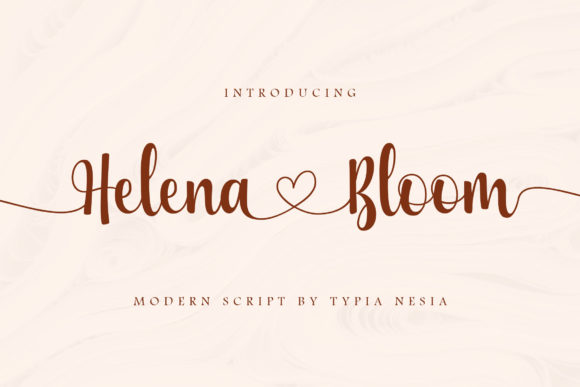
Helena Bloom: A Font with a Personal Touch for Your Projects
There's a certain magic in receiving something handwritten—a note, an invitation, a heartfelt message. That personal, human touch often gets lost in our digital communications, leaving them feeling sterile and forgettable. For designers and creators seeking to inject warmth and personality back into their work, the choice of typography is paramount. This is where a typeface like Helena Bloom enters the picture, offering more than just letters on a page. It provides a feeling, a delicate and romantic aesthetic that can transform a simple design into something genuinely special and engaging.
More Than Just Letters: The Visual Heart of Helena Bloom
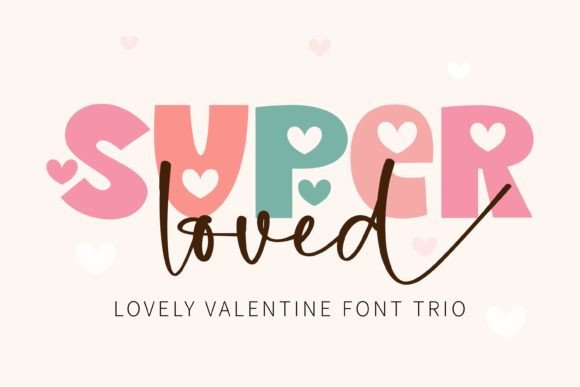
At its core, Helena Bloom is a premium font that belongs to the script and handwritten font family. But its character sets it apart. The design is inherently dainty and joyful, with each letterform crafted to feel both elegant and effortless. The true signature, however, lies in the subtle heart ornaments integrated into the typeface. These aren't overpowering; they are tasteful flourishes that add a layer of romance and whimsy without sacrificing clarity. This makes it a powerful display font for headlines and logos where first impressions are everything. When you look at it, you don't just see words; you see an emotion—love, celebration, and personal care. This visual personality is what makes it a standout creative font for projects that need to connect on an emotional level.
Where Romance Meets Practicality: Real-World Applications
Understanding a font's aesthetic is one thing; knowing how to leverage it is where the real value lies for professionals. Helena Bloom’s style lends itself to a wide array of projects, particularly those where a romantic, personalized touch is the goal. Think beyond the obvious wedding invitation, though it excels there. Consider how this typeface can serve in various contexts.
- Branding & Logo Design: For businesses in the wedding industry, boutique bakeries, florists, jewelry designers, or any brand built on a foundation of love and craftsmanship, this font can become a core part of the brand identity. A logo set in Helena Bloom immediately communicates a specific, heartfelt ethos.
- Packaging & Product Design: Imagine the label on a artisanal candle, the tag on a handmade scarf, or the packaging for specialty chocolates. Using this font can elevate the product's perceived value, making it feel more luxurious and bespoke.
- Digital Presence: In the realm of web design and social media graphics, Helena Bloom can be a secret weapon for engagement. It works beautifully for Instagram quote graphics, Pinterest pins for wedding inspiration, website hero text for a romantic blog, or the header of a heartfelt email newsletter. It draws the eye and encourages readers to slow down and absorb the message.
- Print & Editorial Layouts: From magazine feature titles and chapter headings in a book to thank-you cards and event posters, its use in editorial design adds a layer of sophistication and warmth that standard fonts often lack.
Building a Cohesive and Recognizable Visual Language
One of the biggest challenges in marketing and design is achieving visual consistency. A disjointed visual language confuses your audience and weakens your message. By thoughtfully incorporating a distinctive font like Helena Bloom into your design assets, you create a recognizable thread that ties all your communications together. When a customer sees the same elegant, heartfelt typography on your social media post, your product packaging, and your website, it reinforces your brand's story and builds brand recognition. This consistency makes your business look more professional and trustworthy, which is crucial for any entrepreneur or small business owner.
Making it Work: Pairing, Readability, and Licensing
While Helena Bloom is stunning, using it effectively requires some practical considerations, just like any other premium font. A common question is about font pairing. Because it is a detailed script font, it's rarely the best choice for long blocks of body text. Its strength is in headlines, short phrases, and call-outs. Pair it with a clean, highly readable sans serif font or a simple serif font for paragraphs. For example, a classic like Montserrat or a timeless serif like Lora can provide the perfect counterbalance, ensuring your overall design is both beautiful and legible.
Before finalizing a design, always test your chosen fonts in context. Check how the hearts render at different sizes, ensure the letters flow naturally when forming actual words, and verify that the text remains easy to read for your intended audience, whether on a mobile screen or a printed card. Also, take a moment to review the full character set and any included styles (like alternates or ligatures) that can add further customization to your work.
Finally, for any commercial project, it's essential to understand the licensing. A reputable commercial font will come with a clear license that outlines permitted uses—whether for a single client project, unlimited commercial work, or specific mediums like digital products versus physical merchandise. Respecting these terms is part of professional practice and supports the talented type designers who create these valuable tools.
In the end, choosing a font is a strategic decision that blends art with purpose. Helena Bloom offers a specific and powerful personality: romantic, delicate, and joyful. When your project calls for that exact feeling—a wedding suite, a heartfelt brand, a celebratory social media campaign—this handwritten font becomes more than an asset; it becomes the voice of your design, helping you forge a deeper, more beautiful connection with your audience.