Durango: A Deep Dive into a Gothic Blackletter Masterpiece
There’s a certain weight to blackletter typography. It carries history, drama, and an unmistakable presence that commands attention. Durango is a premium font that taps directly into this legacy, offering a highly detailed gothic style that feels both timeless and fresh. It’s not just another display font; it’s a design asset built for impact. Whether you’re crafting a logo for a craft brewery, designing a book cover, or creating a standout social media post, this typeface brings a level of artistry that can transform a simple layout into something memorable. Let’s explore how its intricate design and practical features can serve your creative projects.
The Visual Language of Durango: More Than Just Old-World Charm
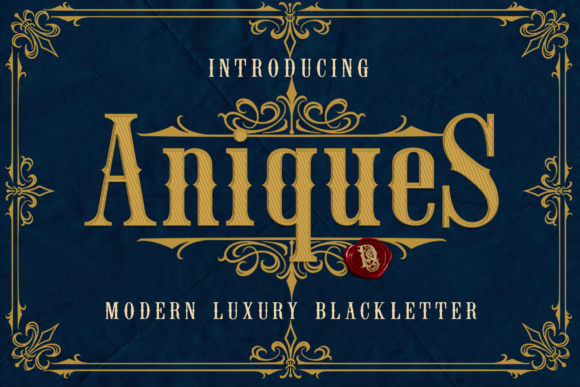
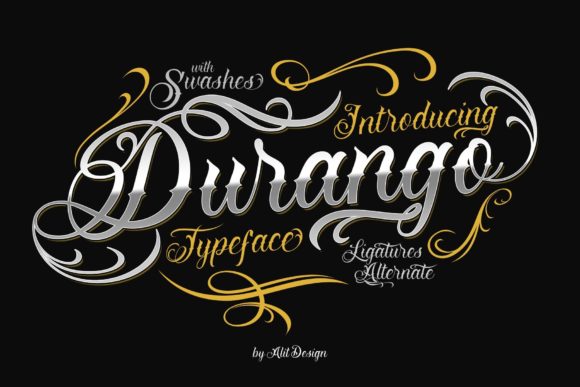
At first glance, Durango’s blackletter roots are clear. The letterforms are built on the structured, angular strokes of historical Gothic scripts, but they’re refined with a modern sensibility. The details are what make it special. You’ll find sharp, deliberate serifs, elegant swashes, and a variety of alternate glyphs that add flair without sacrificing the font’s core personality. This isn’t a font that tries to mimic medieval manuscripts; it reinterprets the style for a contemporary audience. The result is a typeface that feels authoritative and sophisticated, perfect for projects that need to convey tradition, strength, or a touch of the dramatic.
What truly sets Durango apart in the realm of creative fonts is its versatility. Despite its ornate style, it maintains a surprising readability in the right context. The consistent stroke weight and careful spacing ensure that, when used thoughtfully, it remains legible even in shorter blocks of text. This balance is crucial for designers who want the visual punch of a blackletter without compromising on clarity. It’s a font that understands its role—often as a headline or accent—and delivers its message with striking precision.
Where Durango Shines: Practical Applications for Real Projects
The true test of any typeface is how well it performs in the wild. Durango’s gothic styling opens up a world of possibilities across both digital and print media. Its strong visual identity makes it an excellent choice for branding, especially for businesses that want to evoke a sense of heritage, craftsmanship, or edgy sophistication. Think artisanal distilleries, vintage clothing brands, barbershops, or music venues. The font immediately sets a tone that aligns with these identities.
Beyond logos and brand marks, consider its role in packaging design. A beautifully crafted label on a bottle of hot sauce or a coffee bag can be the difference between blending in and standing out on the shelf. Durango’s intricate details add a layer of perceived quality and care. For digital creators, it’s a powerful tool for social media graphics. A striking quote card or an event announcement using Durango can stop the endless scroll and capture a viewer’s interest. Its PUA encoding is a practical blessing here, allowing easy access to all the swashes and alternates without fumbling through complex software menus.
Making It Work: Pairing and Readability Considerations
Using a bold display font like Durango effectively requires a thoughtful approach to font pairing. Its ornate nature means it works best when balanced with something clean and simple. A classic sans serif font like Montserrat or a minimalist serif like Lora can provide excellent contrast, ensuring your body text remains highly readable while your headlines make a powerful statement. The goal is to create a visual hierarchy where Durango commands attention at the top, and supporting typography carries the detailed information below.
Readability is always a top priority. While Durango is surprisingly legible for its style, it’s best used for short, impactful text: headlines, titles, logos, and pull quotes. Avoid setting entire paragraphs in it. Test your pairings at the actual size they’ll be viewed. What looks clear on a large monitor might become muddy on a mobile screen. Take advantage of the font’s different styles—perhaps a slightly lighter weight for subheadings—to maintain cohesion without overwhelming the viewer. This careful testing is what separates a professional presentation from an amateur one.
Unlocking Its Full Potential: Features and Licensing
One of Durango’s most user-friendly features is its PUA (Private Use Areas) encoding. For designers, this means every glyph, swash, and alternate character is accessible directly through your operating system’s character map or design software like Adobe Illustrator or Photoshop. You don’t need specialized OpenType features or advanced typographic knowledge to use the full set of stylistic options. This ease of use encourages experimentation and helps you fully explore the font’s creative potential for your brand identity or marketing assets.
When incorporating a premium font like Durango into commercial projects, it’s essential to review the licensing terms. Ensure the license covers your intended use, whether it’s for client work, merchandise, digital products, or website design. A proper commercial license not only keeps you legally compliant but also supports the type designers who create these valuable tools. Investing in a high-quality, well-licensed typeface is an investment in the professionalism and legal security of your own work.
A Final Thought on Crafting Visual Stories
Typography is a silent storyteller. The fonts you choose whisper (or shout) about your project’s personality before a single word is read. Durango offers a specific voice: one of depth, history, and bold artistry. It’s not the right tool for every job, but for the right project, it’s transformative. By understanding its visual language, applying it to suitable contexts, and pairing it wisely, you can leverage this gothic blackletter to create designs that are not only beautiful but also strategically effective. It’s about matching the tool to the task and letting the font do what it does best—make a lasting impression.