Diary Notes: A Handwritten Font That Captures Authentic Connection
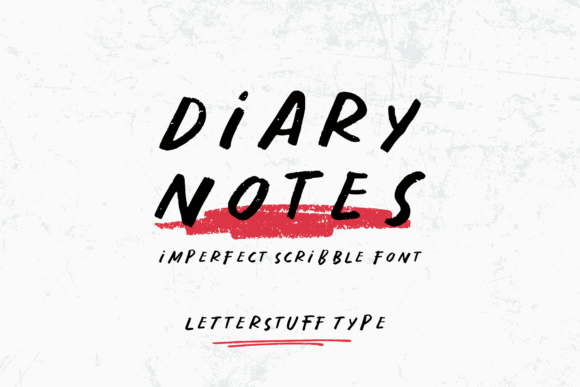
There's something undeniably magnetic about a handwritten note. It carries a warmth, an immediacy, and a personal touch that a perfectly polished, machine-generated typeface often struggles to replicate. In a world saturated with sleek digital interfaces, the organic human mark stands out. This is the exact feeling that the Diary Notes font seeks to capture—a fun, scribble-inspired typeface that feels less like a digital asset and more like a page torn from a creative journal. It’s designed for those moments when you want to communicate directly, without the barriers of formal typography, making it an invaluable tool for designers, creators, and entrepreneurs aiming to build genuine rapport with their audience.
The Organic Allure of a Scribble Typeface
What sets a font like Diary Notes apart in the vast ocean of premium fonts and design assets? It’s the deliberate imperfection. Unlike a rigid serif font or a sterile sans serif font, this handwritten font embraces the natural flow and slight inconsistencies of real handwriting. The letterforms have personality; they lean, they vary in weight, and they connect in ways that feel spontaneous. This visual character immediately evokes emotions of nostalgia, creativity, and approachability. For a brand, this translates into a voice that feels human and relatable. It’s the typographic equivalent of a smile or a casual conversation, making it particularly effective for projects where emotional connection is key. The style is inherently modern typography that taps into a timeless desire for authenticity, positioning it as more than just a script font—it’s a tool for storytelling.
From Late-Night Adventures to Brunch Plans: Practical Applications
The true value of any creative font lies in its application. Diary Notes, with its energetic and approachable vibe, is incredibly versatile. Its strength is in contexts where you want to break down formal barriers and invite engagement.
- Branding & Logo Design: For boutique brands, cafes, lifestyle coaches, or artisanal product lines, using Diary Notes in a logo or as a secondary brand font can inject instant personality. It signals that the brand is creative, personal, and customer-focused.
- Packaging Design: Imagine this font on a craft paper label for homemade jam, a kraft box for a subscription service, or a tag on a hand-knitted scarf. It reinforces the product's handmade, thoughtful nature, enhancing the unboxing experience.
- Social Media Graphics: In the fast-scroll of a feed, a handwritten font can stop the eye. It’s perfect for quote graphics, story polls, promotional announcements, and behind-the-scenes captions, making your content feel less like an ad and more like a friend’s post.
- Editorial & Blog Design: Use it for pull quotes, section headers, or featured article titles to add a dynamic, personal layer to your web design or blog layout. It guides the reader’s eye and adds visual interest without overwhelming body text.
- Marketing Assets & Invitations: From email newsletter headers to event flyers and digital product covers, Diary Notes can create a cohesive, engaging visual language that feels curated and intentional.
Its application isn't limited to digital. Think about print materials like thank-you cards, posters for a local workshop, or even merchandise like tote bags and mugs. The font’s character translates beautifully across mediums, maintaining its charm whether on screen or in print.
Beyond Aesthetics: Strategic Typography for Recognition and Engagement
Choosing a typeface is a strategic decision that impacts visual consistency and brand recognition. When you select a font like Diary Notes for specific recurring elements—say, all your social media quotes or the headers of your blog—you create a recognizable pattern. Your audience begins to associate that visual style with your content, strengthening your brand identity in a subtle yet powerful way.
However, the goal is professional presentation, not chaos. A handwritten font is a display font, meant for headlines and accents, not for long blocks of body copy where readability is paramount. The key is thoughtful implementation. Use Diary Notes to draw attention and convey emotion, then pair it with a clean, highly legible sans serif font for paragraphs and detailed information. This contrast not only looks sophisticated but also ensures your message is both felt and understood. This balance is crucial for improving audience engagement; the creative font hooks them, and the clear typography keeps them reading.
Making It Work: Practical Advice for Your Project
Integrating a new font into your workflow requires a bit of strategy. Here’s how to make the most of a typeface like Diary Notes:
- Match Typography to Project Goals: Is your project whimsical, heartfelt, or energetic? Diary Notes leans into these areas. For a corporate financial report, it’s likely the wrong fit. For a wedding planner’s website or a creative agency’s portfolio, it could be perfect.
- Test Font Pairings Vigorously: Before committing, experiment. Place Diary Notes alongside various serif and sans serif fonts. See how they interact in size, weight, and color. The right pairing will make the handwritten font pop without competing for attention.
- Review All Included Styles: Many premium fonts come with a family of styles—regular, bold, italic, or alternate characters. Explore the full character set of Diary Notes. You might discover swashes, ligatures, or stylistic alternates that give you even more creative control and uniqueness in your designs.
- Consider Commercial Licensing: If you’re using the font for client work, merchandise, or digital products for sale, ensure you have the correct commercial font license. Understanding the licensing terms is a non-negotiable part of professional design work and protects both you and your clients.
Ultimately, a font like Diary Notes is a bridge. It bridges the gap between digital precision and human touch, between a brand and its community. It’s a design asset that doesn’t just display words; it imparts a feeling. By using it strategically, you’re not just choosing a typeface—you’re choosing a tone of voice, one that encourages your audience to lean in, listen, and, as the font’s spirit suggests, get out there and engage with your story.