Color: The Playful Retro Font for Modern Creatives
There's something undeniably charming about a font that feels both familiar and fresh. That's exactly the sensation Color delivers—a typeface that wraps nostalgic, retro aesthetics in a clean, contemporary package. It's the kind of design asset that doesn't just sit in your font library; it practically jumps out, ready to infuse personality into whatever project you're working on. Whether you're a designer crafting a brand identity, a small business owner creating packaging, or a content creator building social media graphics, this cool, retro, and cute color font offers a versatile foundation for visual storytelling.
More Than Just a Pretty Typeface
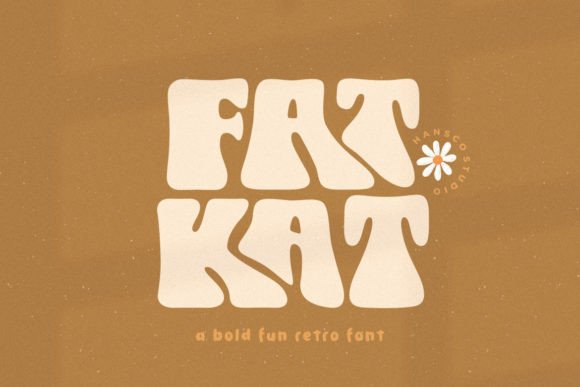
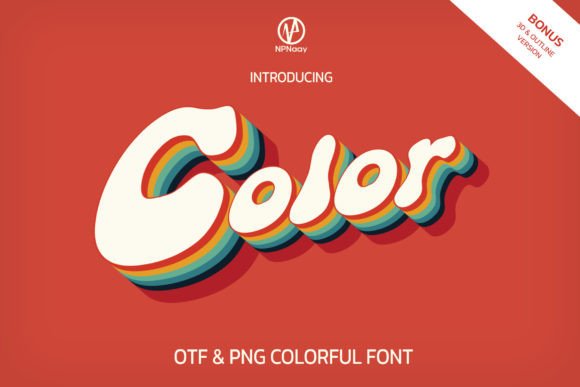
At its core, Color is a display font with a distinct personality. It blends playful curves with a structured, retro-inspired form, creating a look that's approachable yet polished. This isn't a font that whispers; it speaks with clarity and charm, making it ideal for applications where you need to capture attention quickly. Think of it as the visual equivalent of a friendly, confident voice—one that's perfect for greeting cards, headlines, stickers, and any project where you want to inject a dose of warmth and creativity.
What sets this typeface apart is its inherent versatility. While many retro fonts lean heavily into a specific decade, Color strikes a balance. It has enough vintage flair to feel unique and nostalgic, but its clean lines and thoughtful design prevent it from looking dated. This makes it a practical choice for a wide spectrum of applications, from digital interfaces to physical print materials. It's a premium font that understands the need for both style and function.
Practical Applications for Real-World Projects
Let's move beyond theory and talk about where Color can genuinely make a difference in your work. Its strength lies in its ability to elevate everyday creations without overwhelming them. For branding, it can serve as the cornerstone of a visual identity for a boutique, a café, a lifestyle blog, or any business that wants to project a friendly, approachable, and slightly retro vibe. When used in logo design, it creates instant memorability—a logo set in Color is one that sticks in the mind.
Consider its role in packaging design. A product on a shelf has mere seconds to make an impression. The distinct character of this typeface can help a product stand out, conveying a sense of fun and quality. It’s equally effective for social media graphics, where a bold, readable, and personality-driven font can stop the endless scroll. For websites and blogs, it works beautifully for headlines and pull quotes, adding visual interest and guiding the reader's eye through the content. In editorial layouts, it can create dynamic section breaks and highlight key information, improving both readability and engagement.
The applications extend seamlessly into the physical world. For print materials like posters, flyers, and business cards, Color ensures your message is delivered with style. It’s a fantastic choice for merchandise—think t-shirts, tote bags, and mugs—where the font itself becomes a design element. Invitations for weddings, parties, or events gain an instant personality lift, feeling both special and personal. Even for digital products like ebooks, worksheets, or online course materials, incorporating this font into headers and key sections can significantly enhance the professional presentation and overall user experience.
Enhancing Visual Communication and Brand Recognition
Choosing a font is a strategic decision that impacts how your audience perceives your message. A well-chosen typeface like Color contributes directly to visual consistency. When you use it across your website, social media, email newsletters, and print collateral, you create a cohesive visual language. This consistency is a building block of brand recognition; your audience starts to associate that specific, friendly aesthetic with your business or project.
Readability is another critical factor. While display fonts are meant to be seen, they must also be legible. Color is designed with this balance in mind. Its letterforms are distinct enough to avoid confusion, even at smaller sizes or in shorter text blocks. This makes it practical for more than just giant headlines; it can be used effectively for subheadings, button text, or call-to-action phrases where clarity is paramount. The result is a professional presentation that respects the viewer's time and attention.
Ultimately, typography is a powerful tool for audience engagement. A font with personality, like this one, can evoke emotion and set a specific tone. It can make a call-to-action feel more inviting, a headline more compelling, or a thank-you note more heartfelt. It’s not just about looking good; it’s about communicating more effectively and creating a more resonant experience for your audience.
Tips for Integrating Color into Your Workflow
Adopting a new font is exciting, but a thoughtful approach will yield the best results. Start by exploring the full family of font styles included. Often, a display font like this comes with variations—perhaps a regular weight, a bold, or even a condensed version. Understanding what’s available allows you to use the typeface to its full potential, creating hierarchy and emphasis within your designs.
One of the most valuable exercises is testing font pairings. Color has a strong personality, so pairing it with a more neutral companion is often a wise strategy. Consider combining it with a clean sans-serif font for body text. This creates a pleasing contrast where the display font grabs attention and the supporting text provides easy, comfortable reading. A classic serif could also work for certain editorial contexts, adding a touch of traditional elegance to balance the retro playfulness. Experimentation is key; mock up a few different combinations to see what feels right for your specific project's tone.
Always keep your project goals at the forefront. Is the primary objective to be whimsical and fun? Or is it to be retro-cool with a modern edge? The way you use the font—in terms of size, color, and context—should align with that goal. For instance, using it in a bright, saturated color palette will amplify its playful side, while a muted, earth-tone palette might bring out its more sophisticated retro qualities.
Finally, a practical note on licensing. If you plan to use this font for commercial projects—whether for client work, your own business, or products for sale—ensure you have the appropriate commercial license. This is a standard and important part of using any premium font or design asset. It protects both you as the creator and the font designer, allowing you to use the typeface confidently in your professional endeavors.
In the crowded landscape of modern typography, finding a font that feels both distinctive and usable is a genuine win. It’s a creative tool that can help bridge the gap between a good idea and a great final product, adding that essential layer of visual personality that makes your work stand out. It’s more than just letters on a page; it’s a voice for your brand, a mood-setter for your project, and a reliable partner in your creative process.